Light and Healthy BBQ for Ramadan
A lighter BBQ does not need to mean dry chicken or a plate without flavour. Keep the spices, measure the oil and give vegetables, bread and water a sensible place alongside the meat.
Choose cuts for the meal you want
Skinless chicken breast is lean but dries out easily; boneless thigh is more forgiving and can still suit a modest portion. Trim visible excess fat rather than promising a fat-free meal. Firm fish is another option when it is affordable and available.
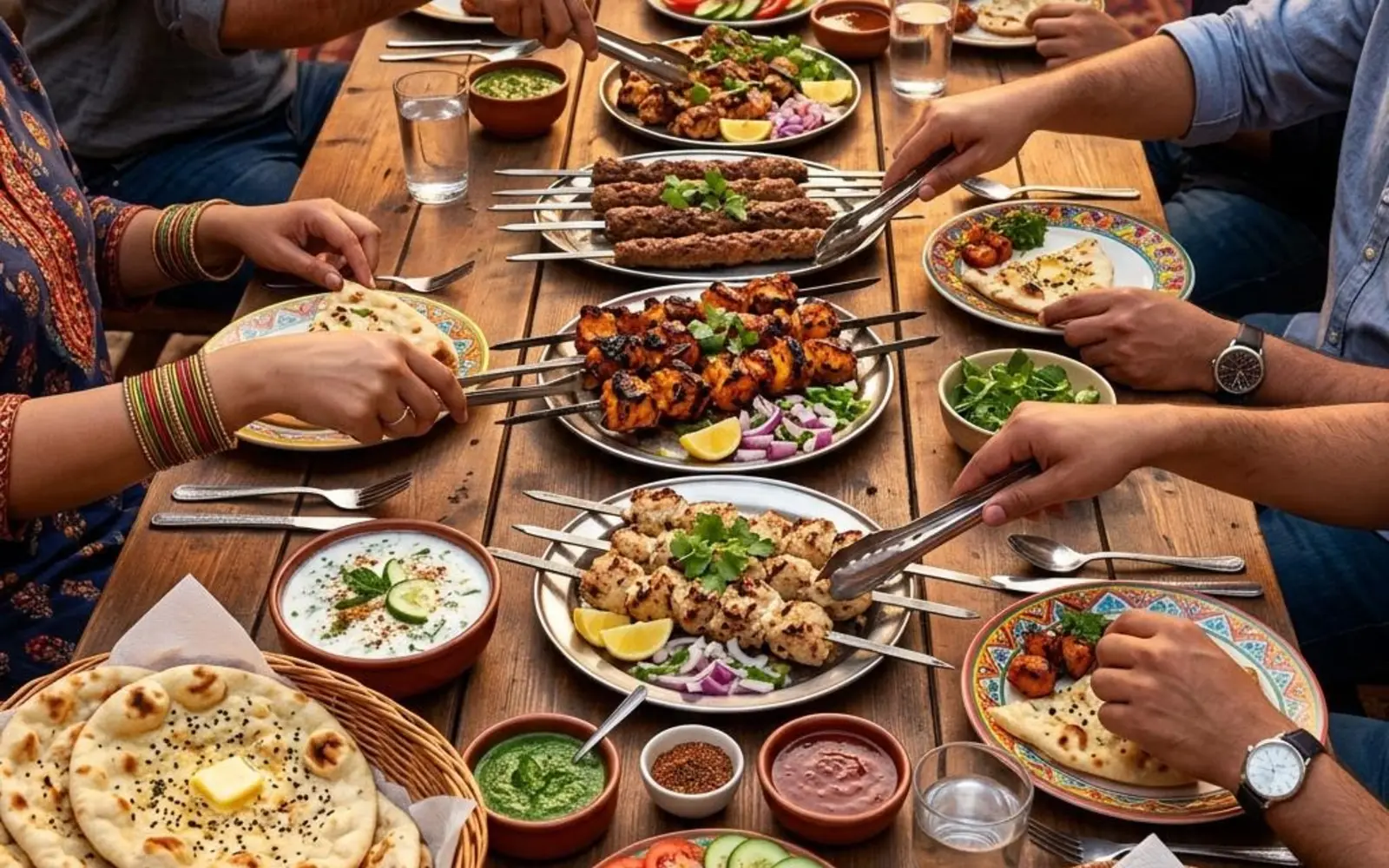
For beef or lamb, choose a tender trimmed whole-muscle cut for quick boti. Very lean mince can make seekh brittle or dry, so do not remove all the fat and expect the same result. Shape smaller kebabs and balance the plate instead.
Malai boti gets its character from cream and cheese. Serve a smaller portion or choose a yoghurt-and-spice tikka when you want a lighter coating; replacing its ingredients substantially creates a different variation.
Measure oil and build flavour with spices
Measure the marinade oil rather than pouring freely, and brush the grate lightly to help prevent sticking. Use lemon, coriander, cumin, ginger and chilli for flavour instead of repeatedly basting with butter.
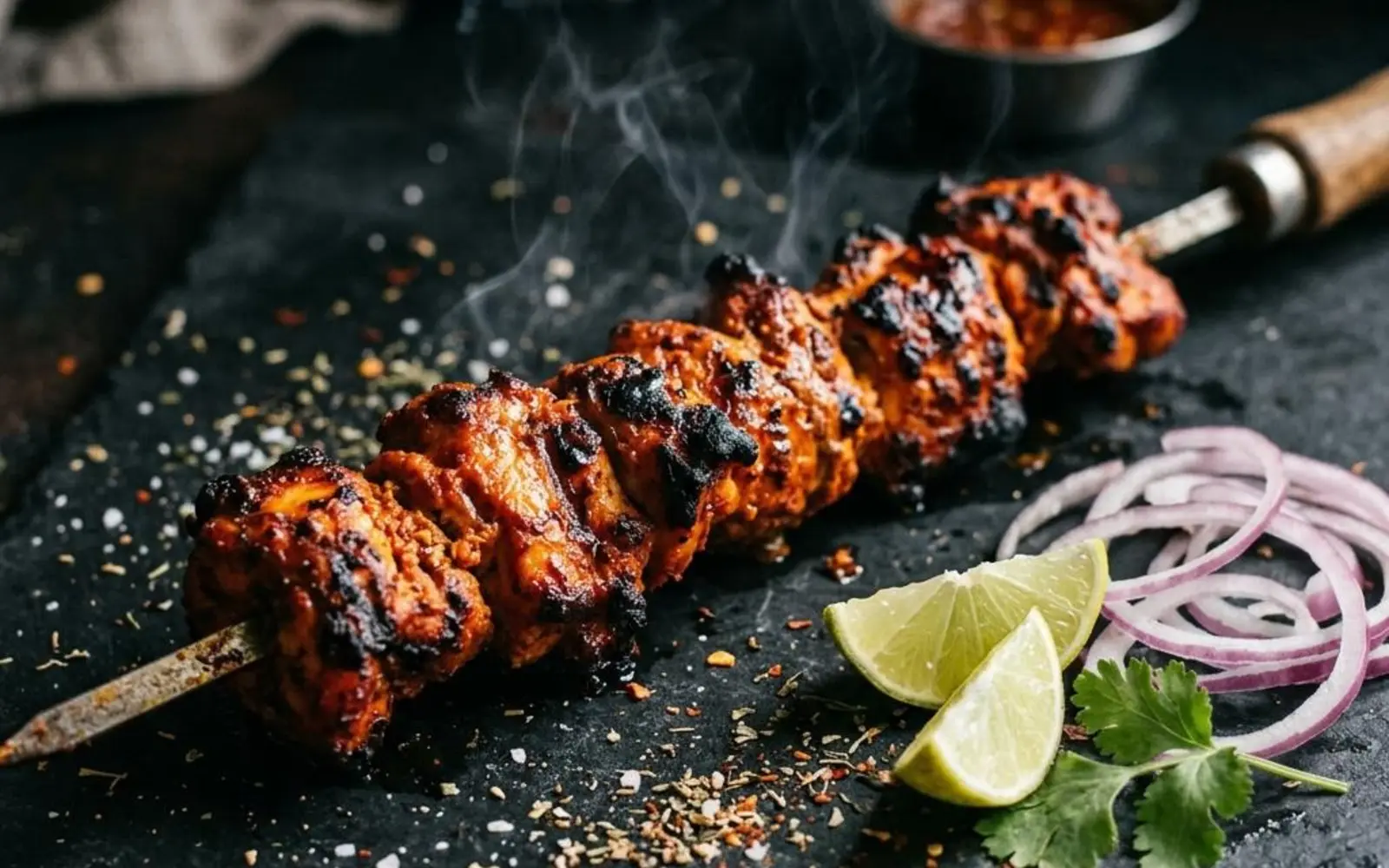
Thick yoghurt and a dry meat surface help a thin coating stay in place. Use clean reserved marinade for any sauce; discard marinade that touched raw meat. Avoid flare-ups and remove burnt patches rather than making blackened crust the goal.
An oven rack, air fryer or lightly oiled heavy pan can reduce the need for a deep layer of frying fat, but the complete recipe and portion still matter. No method makes every BBQ automatically healthy.
Give vegetables their own space
Try peppers, courgette, onion wedges, mushrooms or aubergine brushed with a little oil. Use separate skewers because vegetables and meat cook at different speeds. Avoid dripping raw-meat marinade onto vegetables that are ready to eat.
Wash produce and use a clean board. Serve a raw cucumber-tomato salad or cooked vegetables alongside your protein, with bread or another carbohydrate you enjoy. You do not need to remove an entire food group to make the meal feel lighter.
Start modestly after fasting and keep safety unchanged
Break your fast in the way that suits your routine, then begin with a moderate plate and eat slowly. As a simple visual starting point, give vegetables about half the plate and share the remainder between protein and bread or another starch. Appetite, age and individual needs vary.
Spread water intake between iftar and sehri rather than assuming a salty, spicy BBQ replaces fluids. This is general meal-planning advice, not a personalised diet plan; follow your clinician’s advice for medical conditions or special dietary needs.
Less oil does not change safe temperatures: poultry needs 74°C, beef or lamb mince 71°C, intact beef or lamb 63°C with a 3-minute rest, and fish 63°C. Use a thermometer rather than colour or taste.
Questions people ask
- Is chicken breast always better than thigh for Ramadan BBQ?
- Breast is leaner, while thigh is more forgiving on the grill. Either can fit a balanced meal; portion size, the coating and the rest of the plate matter too.
- Can I grill vegetables on the same skewers as chicken?
- Separate skewers are easier because vegetables and chicken cook at different speeds. Keep ready-to-eat vegetables away from raw meat juices and check chicken reaches 74°C.
- Is this guide a weight-loss or medical fasting plan?
- No. These are general cooking and portion ideas, without calorie or weight-loss promises. People with medical conditions or special dietary needs should follow personalised professional advice.
Share this guide
Put it to work