BBQ for an Iftar Party
An iftar BBQ works best when the fire, sides and serving table are ready before everyone is hungry. Plan backwards from your local Maghrib time, not from a fixed clock time.
Build a small menu that your grill can handle
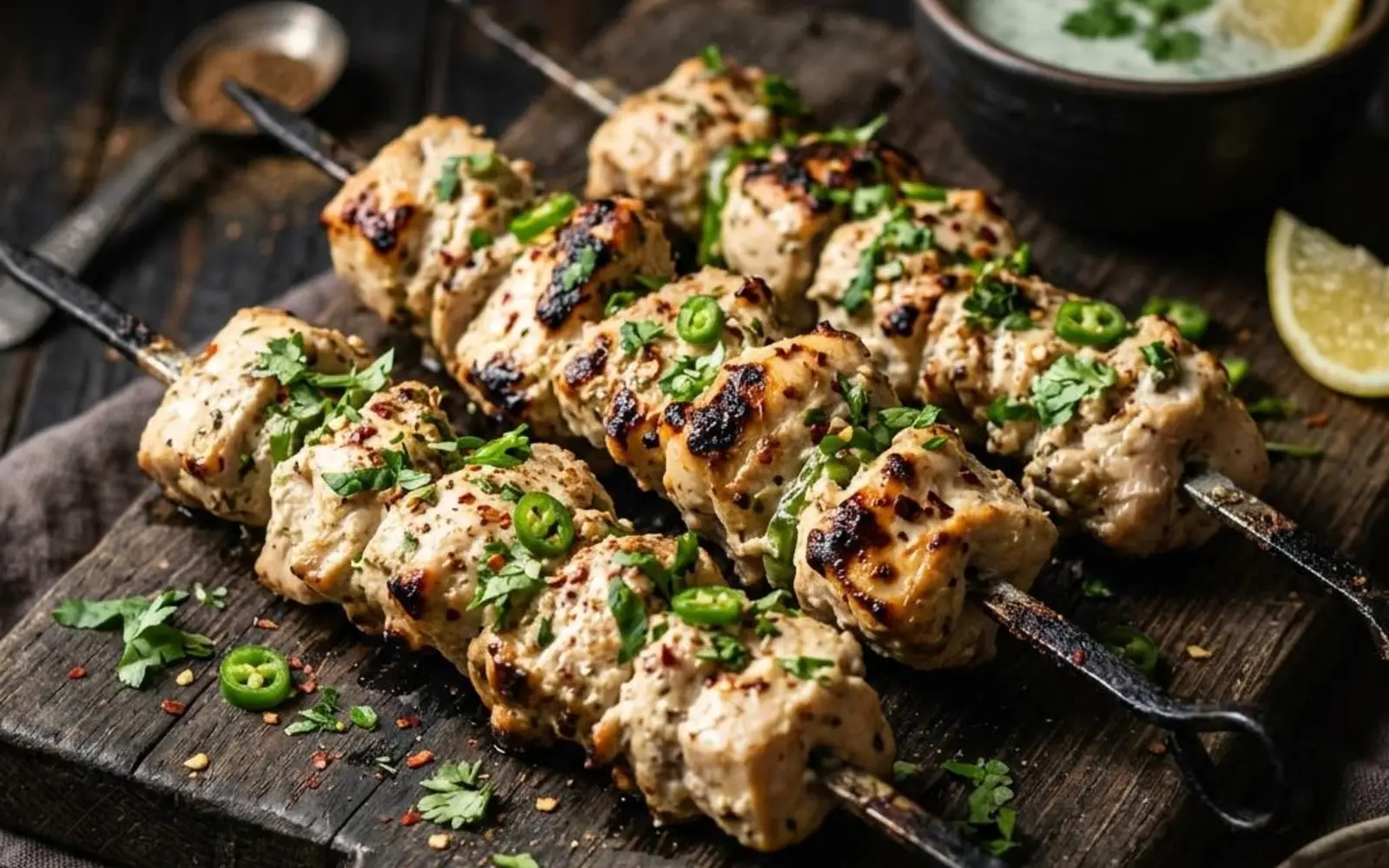
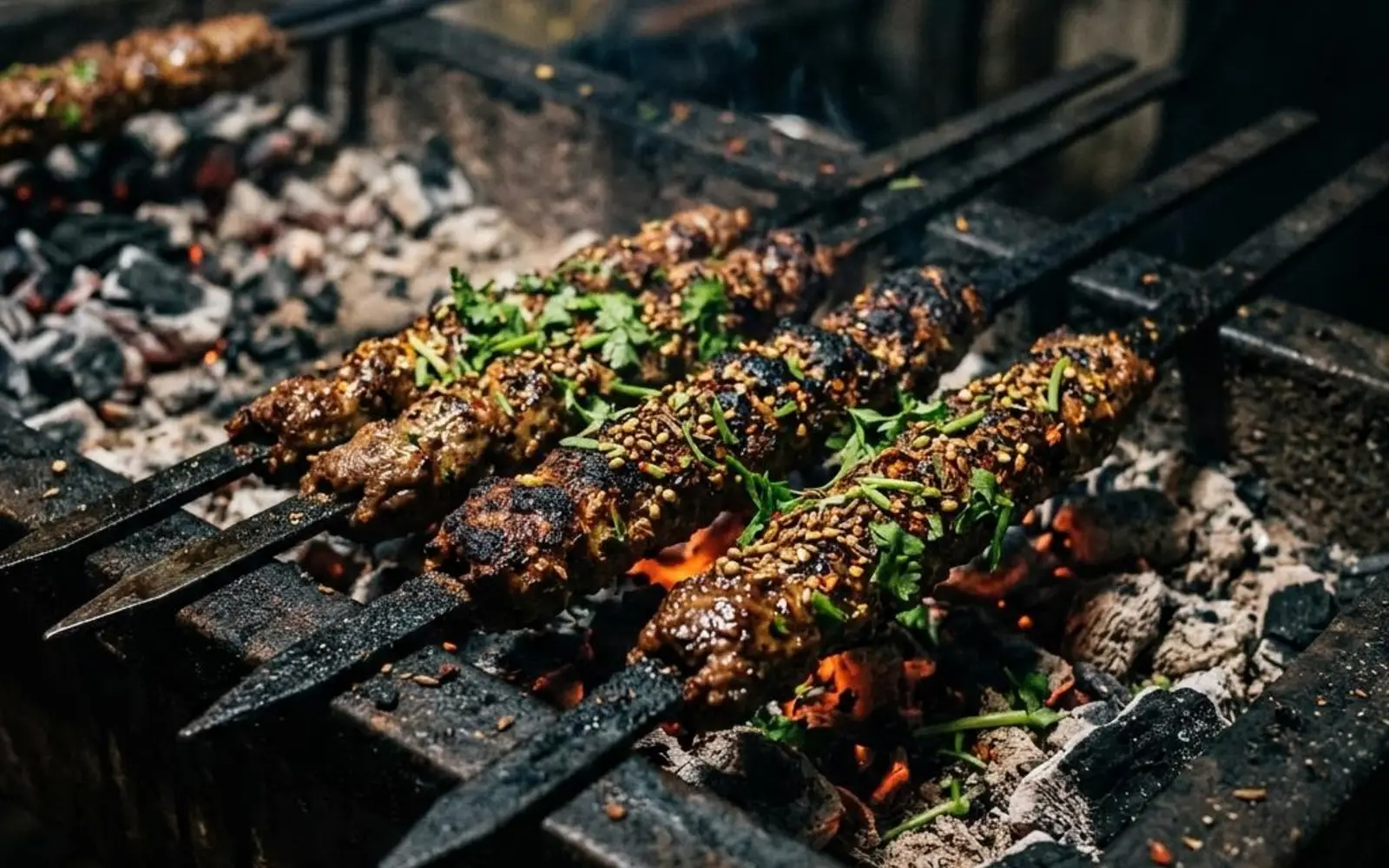
Choose two proteins rather than six different marinades. Malai boti and seekh kebab give a useful contrast; add naan, a chopped salad and a clean bowl of mint raita. Dates, water and fruit let guests break their fast while the last small batch finishes.
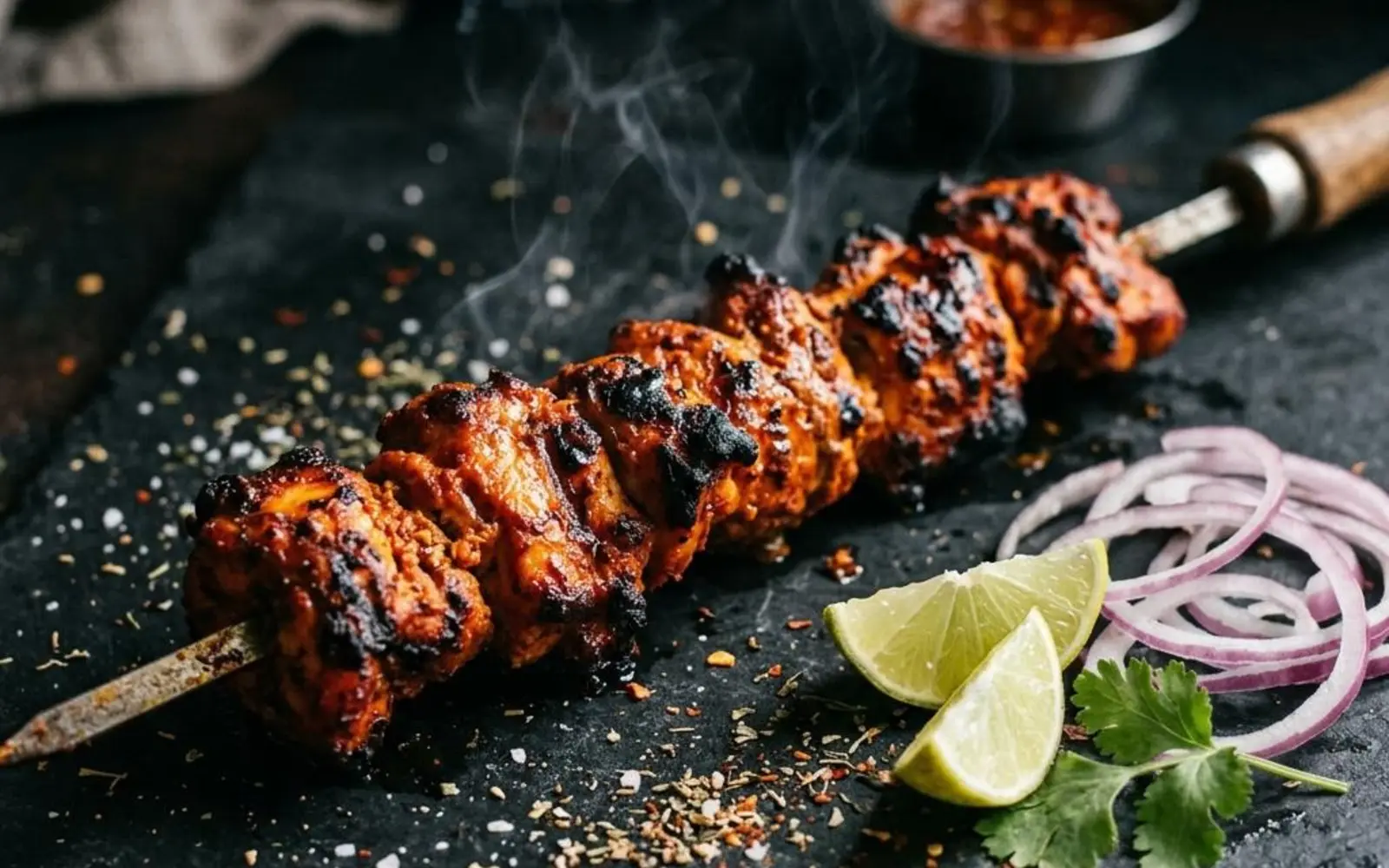
Bone-in chicken tikka suits an earlier start, not a last-minute rush. If the grill is small, use the oven for one dish rather than keeping guests waiting through several rounds. Count your actual skewers and tray spaces before inviting a crowd.
Estimate portions before buying meat
For an iftar with dates, fruit, bread and other substantial dishes, start with about 150 to 200 g raw boneless meat per adult. For a BBQ-centred main meal, allow roughly 200 to 250 g. These are shopping estimates, not nutrition prescriptions; adjust for appetite and the rest of the menu.
For 12 adults at 200 g each, buy 2.4 kg raw boneless meat in total, not 2.4 kg for every recipe. A simple split is 1.2 kg chicken boti and 1.2 kg kebab mince. Children may need about 75 to 125 g depending on age and appetite. Bone-in pieces need a different purchase weight because bones are not edible yield.
The spice calculator starts at 250 g raw boneless meat per guest. Use its kilograms mode for your chosen amount; do not count the same guests separately for each dish.
Work backwards from Maghrib
Check a trusted timetable for your city and date. Let T mean Maghrib: a timetable is not interchangeable between cities or seasons. Aim for the first cooked platter at T, with a safe plan for anyone eating after prayer.
- The night before: marinate meat within each recipe’s window, refrigerate at 4°C or below, and prepare clean sauces separately.
- T minus 75 minutes: organise utensils, wash salad produce, set the table and preheat a holding oven if needed.
- T minus 60 minutes: light charcoal outdoors and allow it to settle; fuel, weather and grill size can change this lead time.
- T minus 40 minutes: start bone-in chicken if using it; allow extra time for thick pieces rather than rushing the centre.
- T minus 25 minutes: start boneless boti. Add quick seekh batches nearer serving, with clean plates ready.
- At T: serve only food that has reached its safe temperature. A late but safely cooked batch is better than undercooked meat.
Keep the first batch hot, not half-cooked
Check chicken at 74°C and beef or lamb mince at 71°C with a probe thermometer. Fully cook every batch; never partially cook chicken to finish after the fast breaks.
If serving is delayed, hold fully cooked food at 60°C or above and check the food itself, not only the oven dial. Cover loosely to limit drying and serve in small batches. Keep cold sauces at 4°C or below until needed.
Refrigerate leftovers in shallow containers within 2 hours, or within 1 hour when the temperature is above 32°C. Reheat cooked leftovers to 74°C. Use separate tools for raw and cooked food.
Questions people ask
- How much meat should I buy for an iftar BBQ?
- As a starting shopping estimate, allow 150 to 200 g raw boneless meat per adult with substantial iftar sides, or 200 to 250 g for a BBQ-centred main meal. Split that total across the recipes and adjust for your guests.
- Should all the BBQ be ready exactly at Maghrib?
- Aim to have a first safe, hot batch ready, with dates and water available. If guests eat after prayer, hold fully cooked food at 60°C or above rather than leaving it on the table or partially cooking it.
- Can I use one city’s iftar time for another city?
- No. Check a trusted local timetable for the correct city and date, then work backwards from that Maghrib time.
Share this guide
Put it to work